
Traditional outdoor furniture configurations force spaces into permanent layouts. A hotel terrace furnished with fixed 3-seater sofas is locked into one configuration for years. Modular outdoor furniture changes this paradigm entirely — enabling venue managers to reconfigure their spaces daily, seasonally, or per event.
What Makes Furniture "Modular"?True modular furniture consists of independent units that connect and separate easily — without tools. Key components typically include:
- Corner units — Left and right orientations.
- Armless centre units — Allow unlimited linear extension.
- Ottomans and poufs — Serve as footrests, extra seating, or standalone pieces.
- Connector brackets — Secure units together while allowing quick disconnection.
- Side tables — Integrate into the arrangement rather than standing separately.
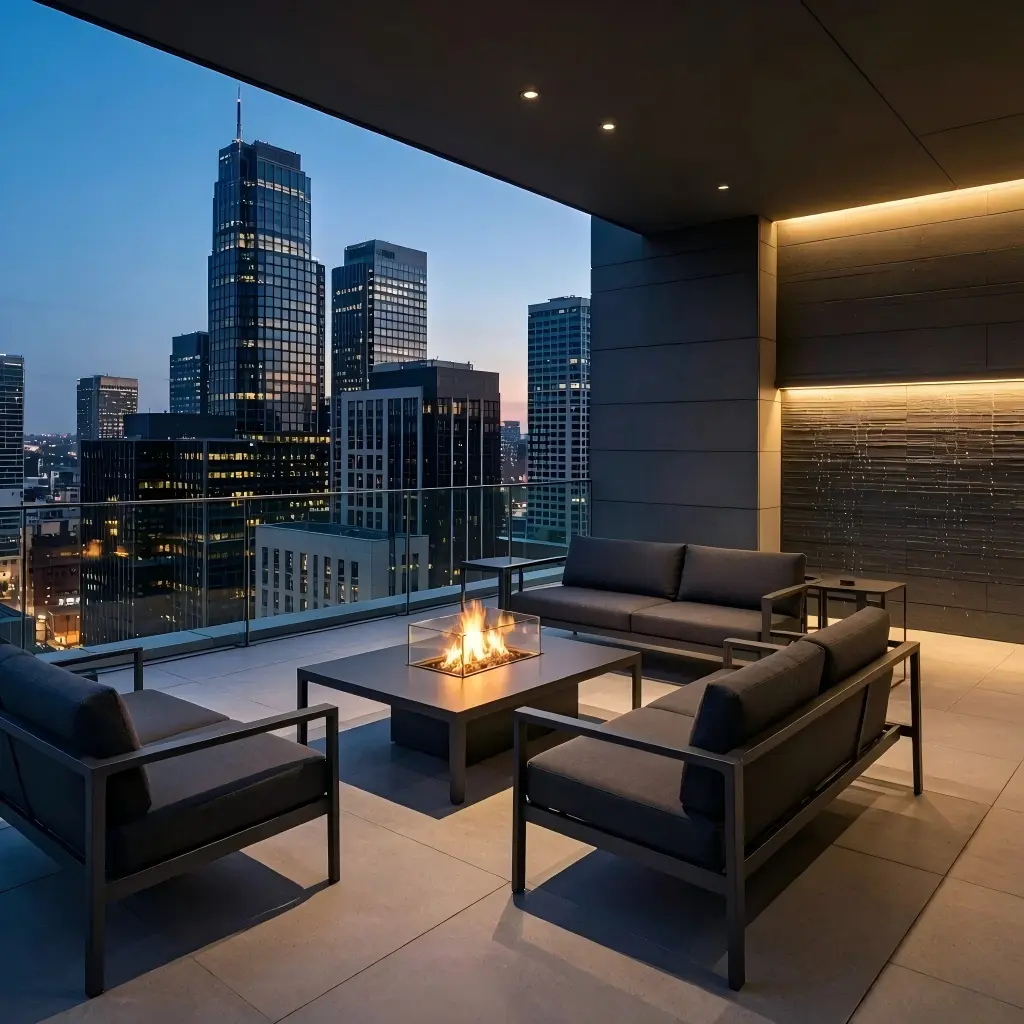
Our modular sofa systems are designed specifically for commercial flexibility.
Operational Benefits for Hospitality1. Event Flexibility
A restaurant that hosts a wedding on Saturday and a business breakfast on Monday needs fundamentally different seating layouts. Modular furniture allows the operations team to:
- Create intimate lounge clusters for evening cocktail events.
- Arrange linear seating for conference-style gatherings.
- Break out individual pieces for smaller, distanced configurations.
2. Seasonal Adaptation
In summer, spread furniture across the full terrace to maximise capacity. In winter, consolidate into cosy clusters around heat lamps. Modular systems make this transition in minutes, not hours.
3. Damage Management
If a single module is damaged — a spilled glass of red wine, a torn cushion — you replace or repair that one component rather than an entire sofa set. This dramatically reduces long-term replacement costs.
4. Storage Efficiency
Modular components often stack or nest more efficiently than fixed-configuration pieces, reducing off-season storage requirements by 30-50%.
Design ConsiderationsWhen specifying modular furniture for commercial use:
- Connector quality: The connectors are the weakest link. Specify stainless steel connectors rated for outdoor use.
- Seat height consistency: All modules should share identical seat heights for visual coherence regardless of configuration.
- Cushion management: More modules mean more cushions. Plan your storage and laundry logistics accordingly.
- Weight: Modules must be light enough for staff to move but heavy enough to stay put in wind. 15-25 kg per module is the sweet spot.
Explore our modular outdoor furniture collections designed for commercial flexibility.