
The outdoor furniture industry is evolving rapidly, driven by changing consumer expectations, sustainability imperatives, and technological innovation. For B2B buyers — whether you are furnishing a new hotel, refreshing a restaurant terrace, or specifying for a development project — understanding current trends helps you make future-proof purchasing decisions.
Based on our observations at KCK.Outdoor and major industry events including Salone del Mobile 2026, here are the five most significant trends.
Trend 1: Modular & Reconfigurable SystemsThe days of fixed-configuration outdoor seating are fading. Hotels and restaurants increasingly demand modular systems that can be reconfigured for different events, group sizes, and seasonal layouts. A single set of modular components can serve as lounge seating by day and event seating by night.
Our Marina and Nova collections feature modular components that connect seamlessly, allowing venue managers to adapt spaces without investing in multiple furniture sets.
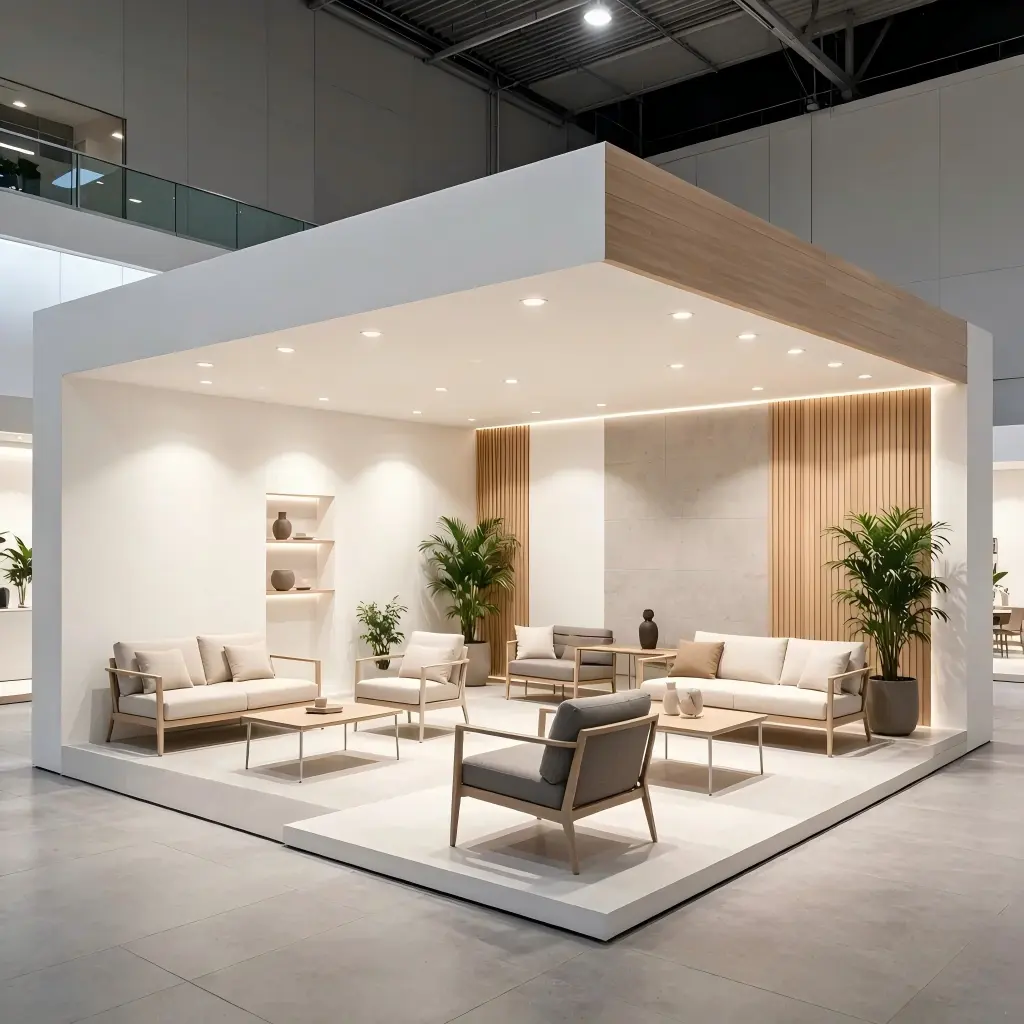
Trend 2: Indoor-Outdoor BlurThe boundary between indoor and outdoor spaces continues to dissolve. Furniture that could work equally well in a hotel lobby or on its terrace is in high demand. This means:
- Upholstery-grade fabrics that happen to be outdoor-rated.
- Frame finishes (matte black, brushed brass) previously reserved for interior furniture.
- Comfort levels — deep seating, plush cushions — that rival indoor lounge furniture.
Biophilic design — connecting people with nature — has moved from architectural theory to mainstream hospitality practice. Outdoor furniture plays a key role:
- Organic shapes and flowing lines that echo natural forms.
- Earth-tone colour palettes (terracotta, olive, sand, stone).
- Natural materials (teak, stone, clay) combined with performance synthetics.
- Furniture that incorporates planters, water features, or natural shade elements.
Sustainability is no longer a premium add-on — it is becoming the baseline expectation for commercial procurement. Key developments:
- FSC-certified timber is now a minimum requirement for most European tenders.
- Recycled aluminium content (typically 60-80%) is increasingly specified.
- Circular design — furniture designed for disassembly and material recovery at end of life — is gaining traction.
- Carbon footprint transparency: leading manufacturers now provide product-level carbon data.
While earth tones dominate the mainstream, a counter-trend of bold, brand-specific colour is emerging. Hotels are using outdoor furniture colour to create Instagram-worthy moments and reinforce brand identity. Custom powder-coating in any RAL colour allows procurement teams to match furniture to brand guidelines precisely.
Want to discuss how these trends apply to your upcoming project? Contact our design team for a trends consultation.