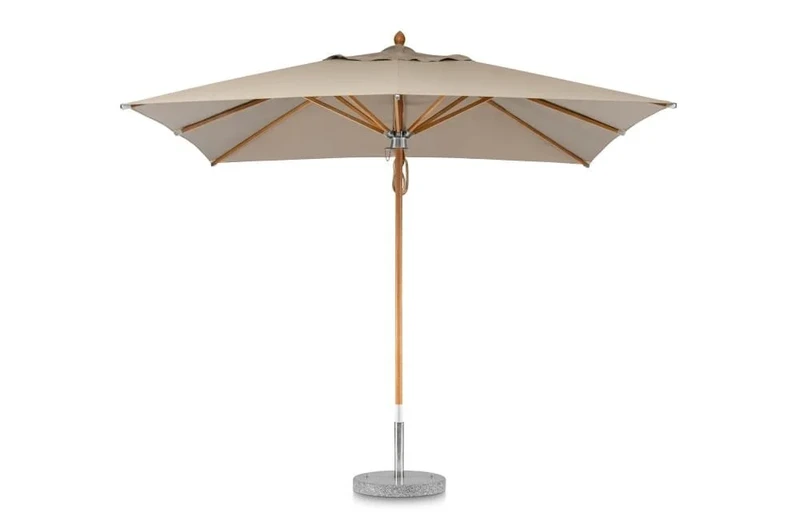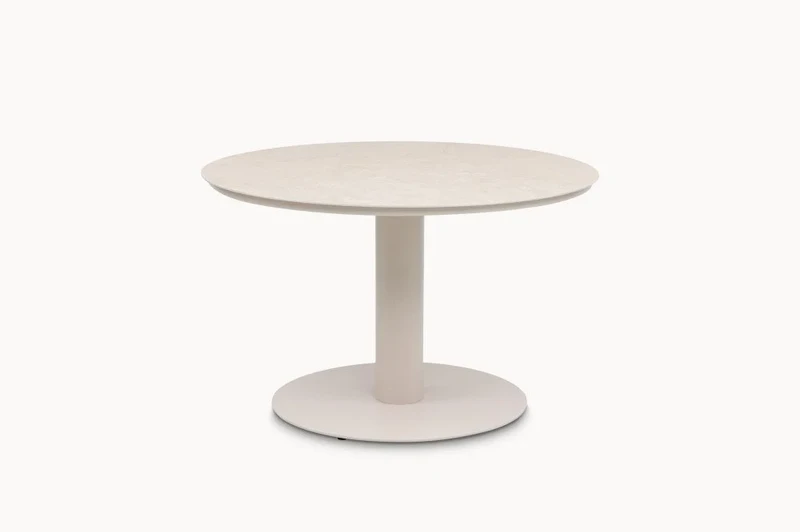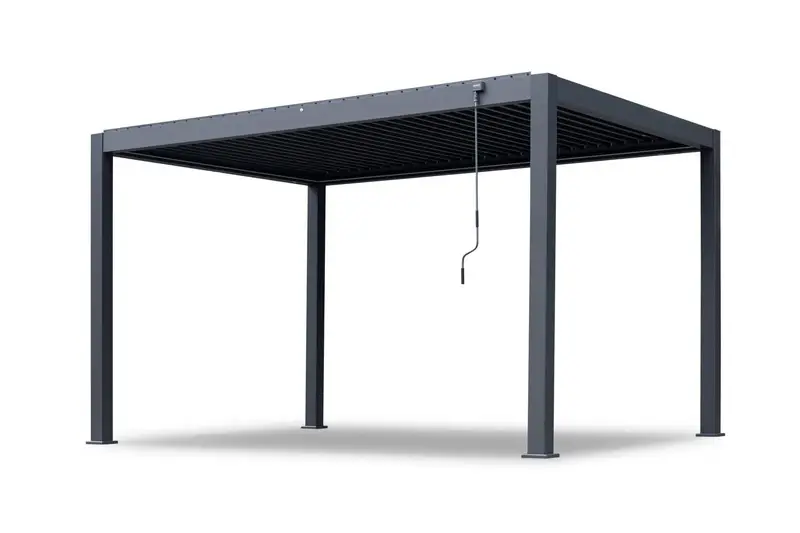

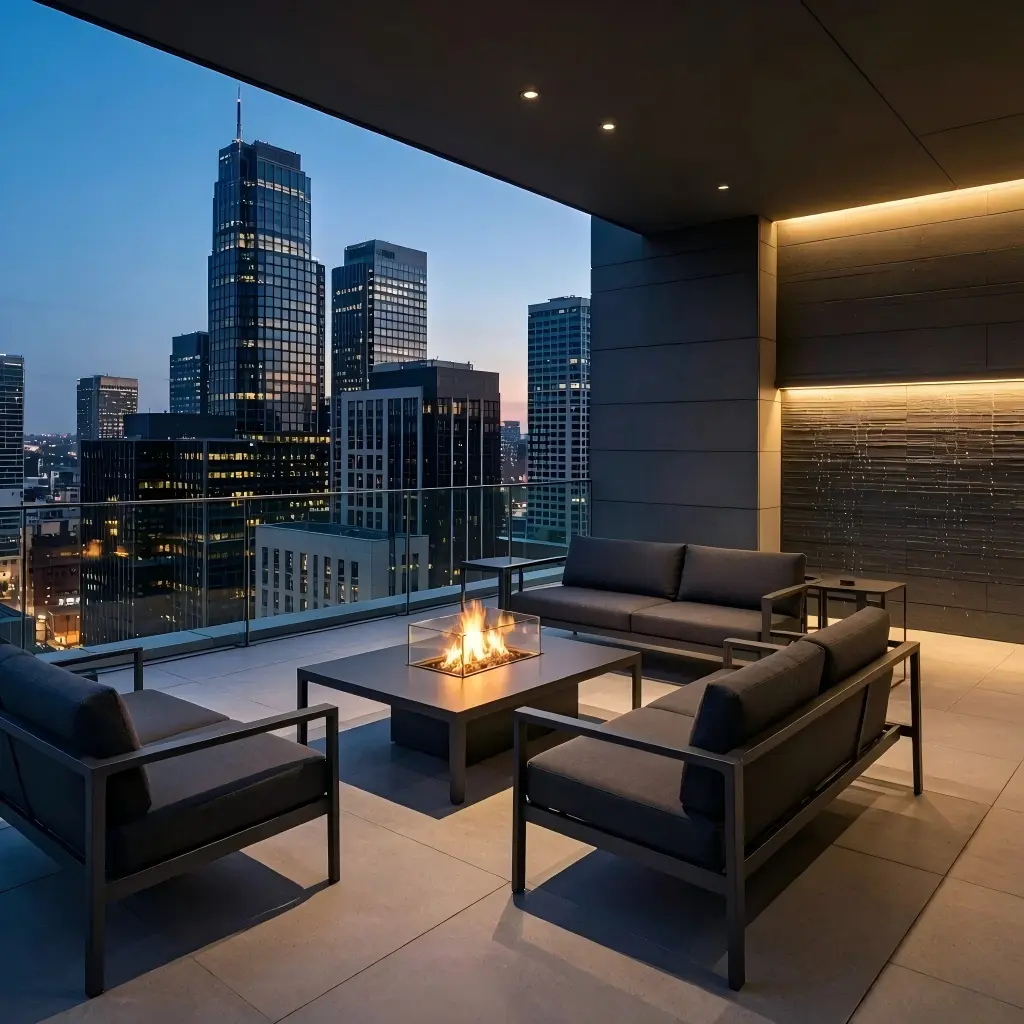
Outdoor furniture is often treated as an afterthought in commercial projects — specified at the final stage when budgets are tight and timelines are compressed. This leads to compromises that diminish the overall design quality. Smart architects integrate furniture specification into the schematic design phase, allowing the furniture to inform the spatial planning rather than fight against it.
1. Technical Specifications Architects NeedWhen evaluating outdoor furniture for commercial projects, request and review these technical documents:
- Material certificates: FSC certification for timber, mill certificates for aluminium grades, fabric test reports (UV resistance, colourfastness, abrasion).
- Load test reports: Static and dynamic load testing per EN 581 (European standard for outdoor furniture) or equivalent.
- Fire ratings: Certificates for BS 5852 (UK), CAL TB 117-2013 (California), or NF D 60-013 (France).
- Finish durability: Salt spray test results (ASTM B117) for coastal installations; QUV accelerated weathering for UV resistance.
- Installation drawings: Detailed fixing specifications, especially for anchored pieces on rooftops or in high-wind zones.
Leading outdoor furniture manufacturers now provide BIM objects and 3D models compatible with Revit, ArchiCAD, and SketchUp. When specifying for large projects:
- Request .rfa (Revit family) or .ifc (open standard) files for your furniture selections.
- Verify that models include accurate LOD 300-350 geometry for clash detection.
- Ask about COBie data integration for facilities management handover.
- At KCK.Outdoor, we provide technical documentation packages for all our product lines upon request.
Outdoor furniture can contribute to green building certifications:
- LEED v4.1 MR Credit: Specify furniture with recycled content (aluminium frames typically contain 60-80% recycled material).
- BREEAM Mat 03: Responsible sourcing — specify FSC-certified teak and request chain-of-custody documentation.
- WELL Building Standard: Ergonomic design, non-toxic materials, and VOC-free finishes contribute to WELL credits.
Not all "outdoor" furniture is equal. For challenging environments:
- Coastal/Marine: Specify 316 marine-grade stainless steel hardware and powder coating with minimum 80μm thickness.
- Desert/Arid: UV degradation is the primary concern. Solution-dyed acrylic fabrics outperform polyester in sun exposure. Avoid PVC components that become brittle.
- High-Humidity/Tropical: Prioritise quick-dry foam (open-cell reticulated foam) to prevent mould. Aluminium frames over steel to prevent rust.
- High-Wind (Rooftops): Specify furniture with ballast capability or permanent anchor points. Avoid lightweight stackable pieces in exposed rooftop applications.
When value engineering becomes necessary, focus on areas with the least visible impact:
- Reduce the number of custom colours rather than switching materials.
- Simplify tabletop options (laminate vs. solid surface) without changing frames.
- Opt for standard cushion thicknesses rather than custom profiles.
- Consolidate ordering across multiple zones to meet MOQ thresholds and reduce per-unit cost.
Need technical specifications for your project? Contact our architectural support team for data sheets, BIM files, and material samples.