
A well-designed outdoor dining area can increase a restaurant's revenue by 30% or more during favourable weather months. But the furniture that makes it work must balance comfort (guests linger longer), durability (high turnover means heavy use), and operational efficiency (staff need to move quickly between tables).
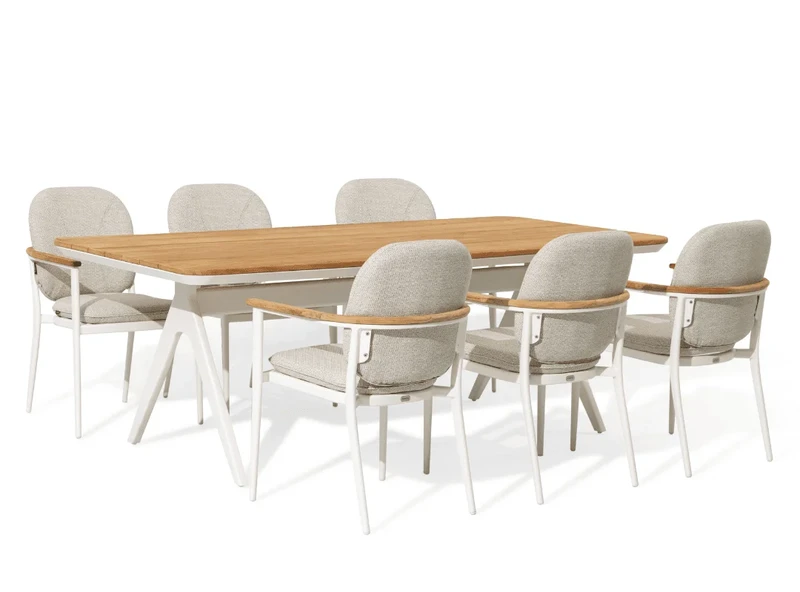
1. Choosing the Right Dining ChairThe dining chair is the most-used piece of furniture in any restaurant. Key considerations:
- Stackability: Stackable chairs save 60-70% storage space during off-season or for deep cleaning. Our dining chair collection includes stackable options designed for commercial use.
- Weight: Aim for 4-6 kg per chair. Lighter makes staff work easier; heavier provides stability in wind.
- Armrests vs. Armless: Armless chairs allow guests to sit closer together and are easier to stack. Armchairs provide more comfort but consume 15% more floor space.
- Seat Height: Standard dining height is 45-47 cm. Ensure consistency across all chairs paired with the same table height.
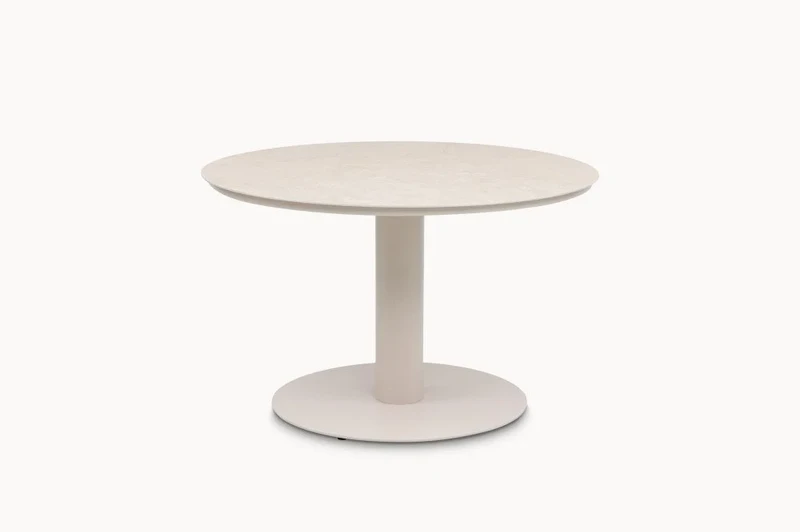
Restaurant tables need to be flexible. Square tables (70×70 cm or 80×80 cm) can be pushed together for larger parties. Round tables (90-120 cm diameter) create a more intimate feel but are less space-efficient.
- Allow 60-70 cm width per place setting.
- Table height should be 72-75 cm for standard dining.
- Consider bar-height tables (105-110 cm) for cocktail-style areas — these pair with our bar-height collection.
Restaurant patios face punishing conditions: spilled drinks, food stains, sunscreen, and constant UV exposure. Your furniture materials must handle all of this:
- Frame: Powder-coated aluminum is the industry standard — rust-proof, lightweight, and easy to wipe down.
- Seat Surface: Quick-dry foam cushions with removable, machine-washable covers. Or consider sling-style seats that require no cushions at all.
- Tabletop: Tempered glass (easy clean, modern look) or HPL compact laminate (scratch-resistant, UV-stable).
A common mistake is overcrowding. Use this formula for comfortable outdoor dining density:
- Fine Dining: 1.8-2.0 m² per seat
- Casual Dining: 1.4-1.7 m² per seat
- Bar/Cocktail: 1.0-1.3 m² per seat
Remember to account for server pathways (minimum 90 cm), wheelchair access, and fire egress routes.
5. Colour and Aesthetic ConsiderationsOutdoor furniture colour should complement your brand identity while being practical:
- Dark frames (charcoal, black) hide dirt but absorb heat in direct sun.
- Light fabrics (linen, beige) stay cooler but show stains more readily.
- Patterned fabrics disguise stains better than solid colours.
- Earth tones (terracotta, olive, sand) create a natural, timeless look.
Browse our full range of commercial-grade outdoor furniture or contact our team for a restaurant-specific consultation.